
 Refrigerator Repair
 Dishwasher Repair
 Washer Repair
 Dryer Repair
 Oven Repair
 Stove/Cooktop Repair
 Freezer Repair
 Appliance Installation
 Samsung
 Bosch
Bosch
 Thermador
 Miele
Miele
 Sub Zero
 Bloomberg
 Asko
Asko
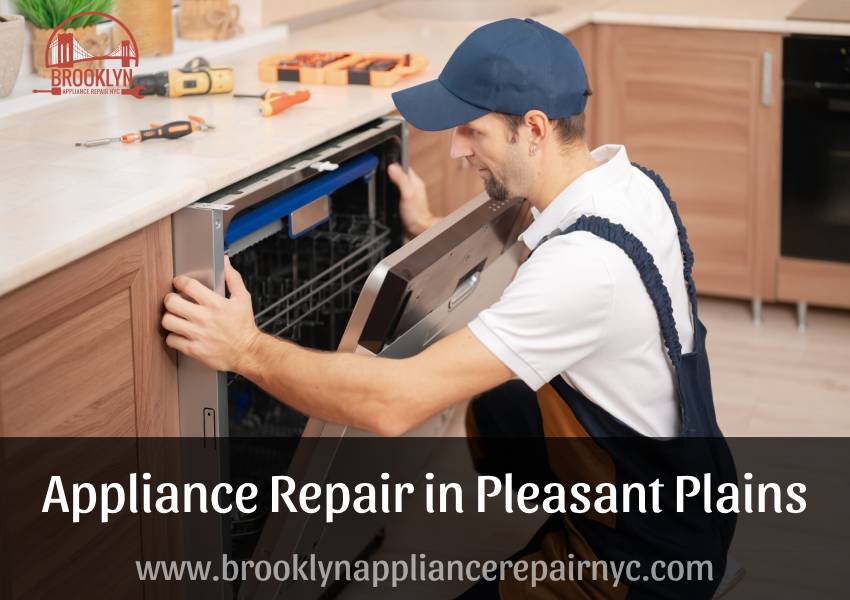
Appliance Repair in Pleasant Plains
Your Local Appliance Repair Company
- Fridge Repair
- Dishwasher Repair
- Washer Repair
- Dryer Repair
- Oven Repair
- Stoves and Cooktop Repair
- Freezer maintenance
- Range Hood Repair
- Microwave Repair
- Appliance Installation

Article Reviewed & Technically Verified by Dmitry V., Lead EPA-Certified Technician (15+ Years Experience)
Brooklyn Appliance Repair NYC provides same-day gas and electric appliance repair across Pleasant Plains (ZIP 10309) — refrigerators, dishwashers, washers, dryers, ovens, cooktops, and freezers in the neighborhood’s detached single-family homes near Mount Loretto and the South Shore. Pleasant Plains technician Anthony M. carries the common parts to finish most repairs in a single visit. Call (917) 997-5264 to book.
Our Happy Customers




- 15+ Years Experience
- Warranty on Parts & Labour
- 100% client satisfaction
- Skilled Technicians
Our Appliance Repair Services
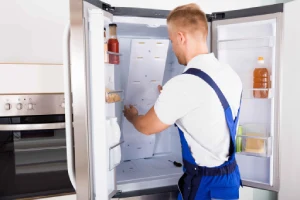
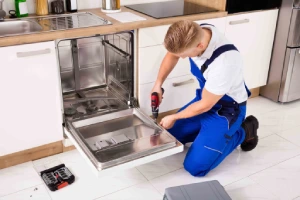
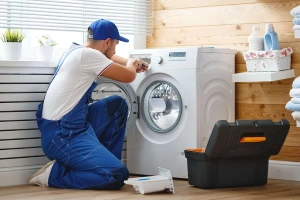
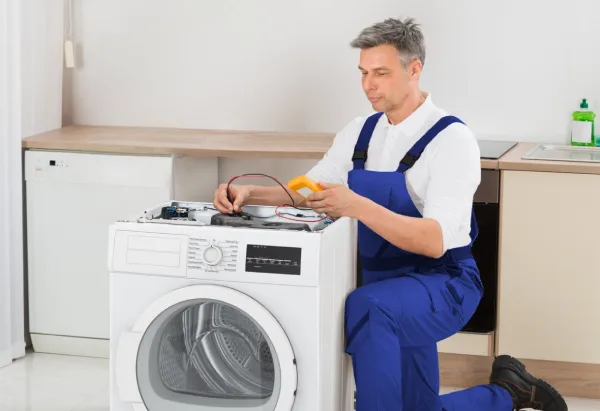
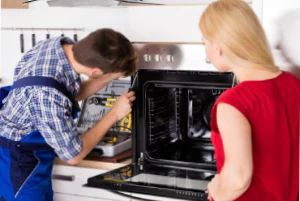
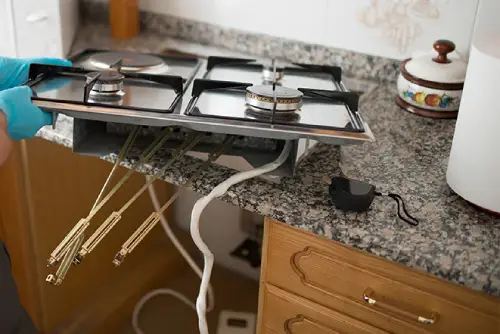
Housing & Appliances in Pleasant Plains
Pleasant Plains is a quiet South-Shore neighborhood of detached single-family homes, most built from the mid-20th century onward on generous lots with driveways, attached garages, and finished basements. Kitchens here run full-size, and the laundry usually sits downstairs in the basement or in a ground-floor utility room off the garage. The blocks closest to the shore near Mount Loretto and its waterfront nature preserve catch salt air off the water, but most of the neighborhood sits comfortably inland along the Pleasant Plains SIR corridor. Same-day service is available across all of Pleasant Plains.
Our Services in Pleasant Plains
Brooklyn Appliance Repair NYC serves residential clients across Pleasant Plains (ZIP 10309), providing same-day gas and electric appliance repair for all major brands and models. Call (917) 997-5264 to schedule a visit.
-
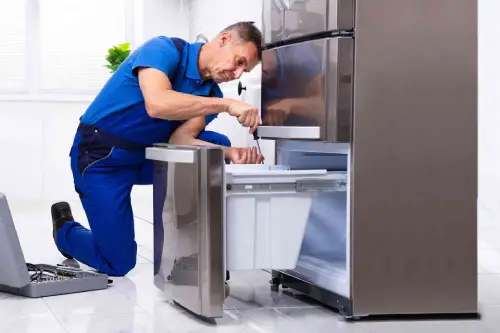
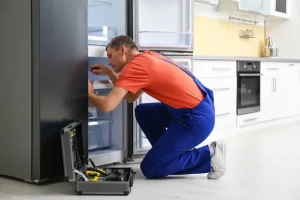
Fridge Repair
A refrigerator that stops cooling puts a family’s weekly grocery haul at risk within hours. We repair fridges across Pleasant Plains, from the single-family blocks off Amboy Road to the homes near Mount Loretto, and we arrive the same day in most cases.
Common issues we fix:
- A garage or basement backup fridge struggling through the temperature swings of an unconditioned South-Shore space.
- Fresh-food side warming while the freezer stays cold — evaporator fan or defrost fault.
- Water pooling under the crisper from a frozen or clogged defrost drain.
- Ice maker not filling or harvesting on a French-door or side-by-side unit.
- Worn door gaskets on a full-size family-kitchen fridge that runs year-round.
We work on the everyday Whirlpool, GE, and Samsung units common in these homes as well as built-in Sub-Zero and Bosch refrigerators in renovated kitchens, and carry the usual fans, sensors, and inlet valves to finish most repairs the first visit.
-
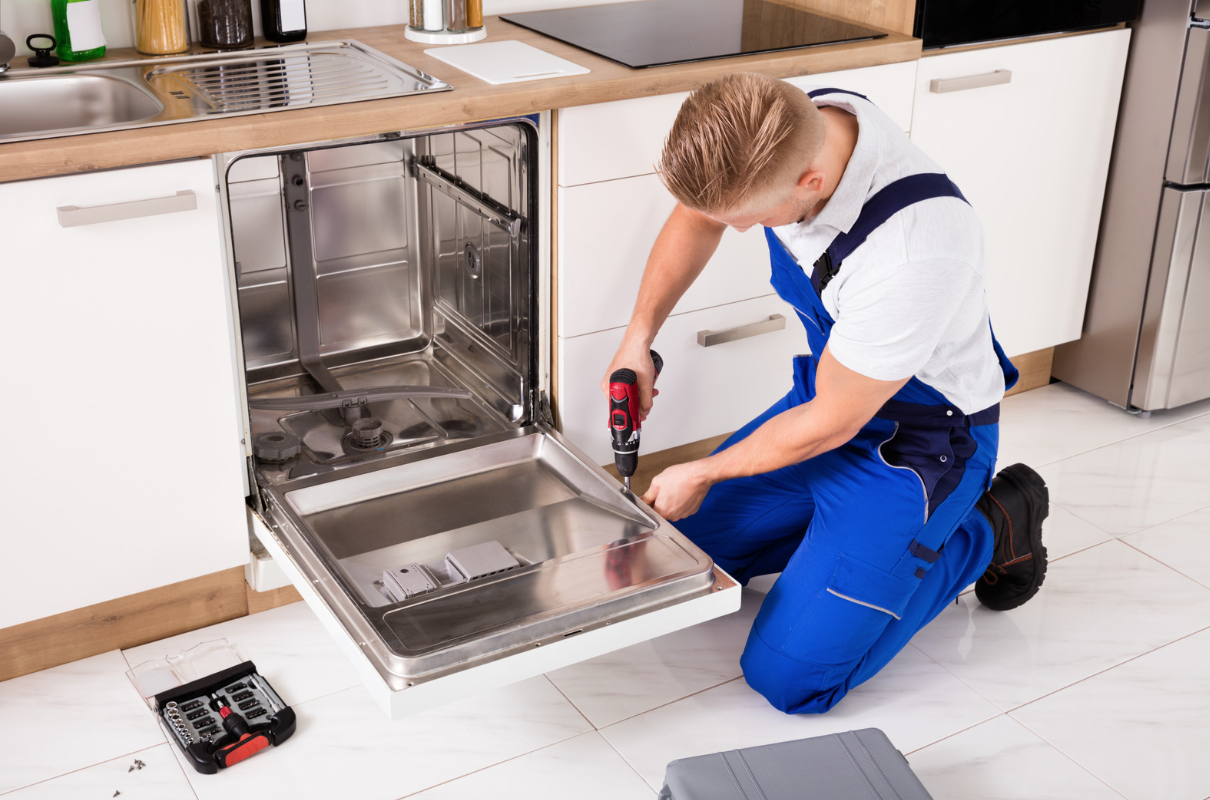
Dishwasher Repair
A broken dishwasher in a Pleasant Plains kitchen means handwashing for a full household. We repair dishwashers in the neighborhood’s single-family homes along Bayview Avenue and Sharrott Avenue, working cleanly around the full-size cabinetry of a suburban kitchen.
We repair:
- Won’t drain where it ties into the kitchen line — clogged hose, air gap, or check valve.
- Standing water from a blocked filter or a failed drain pump.
- Leaks from a worn door gasket onto the kitchen floor.
- Dishes coming out gritty from a blocked spray arm or a worn wash pump.
- Won’t start — door latch or control-panel fault.
Because most Pleasant Plains dishwashers are built into a full run of cabinets, we pull and reset the unit carefully and check the supply and drain connections while we’re in there.
-
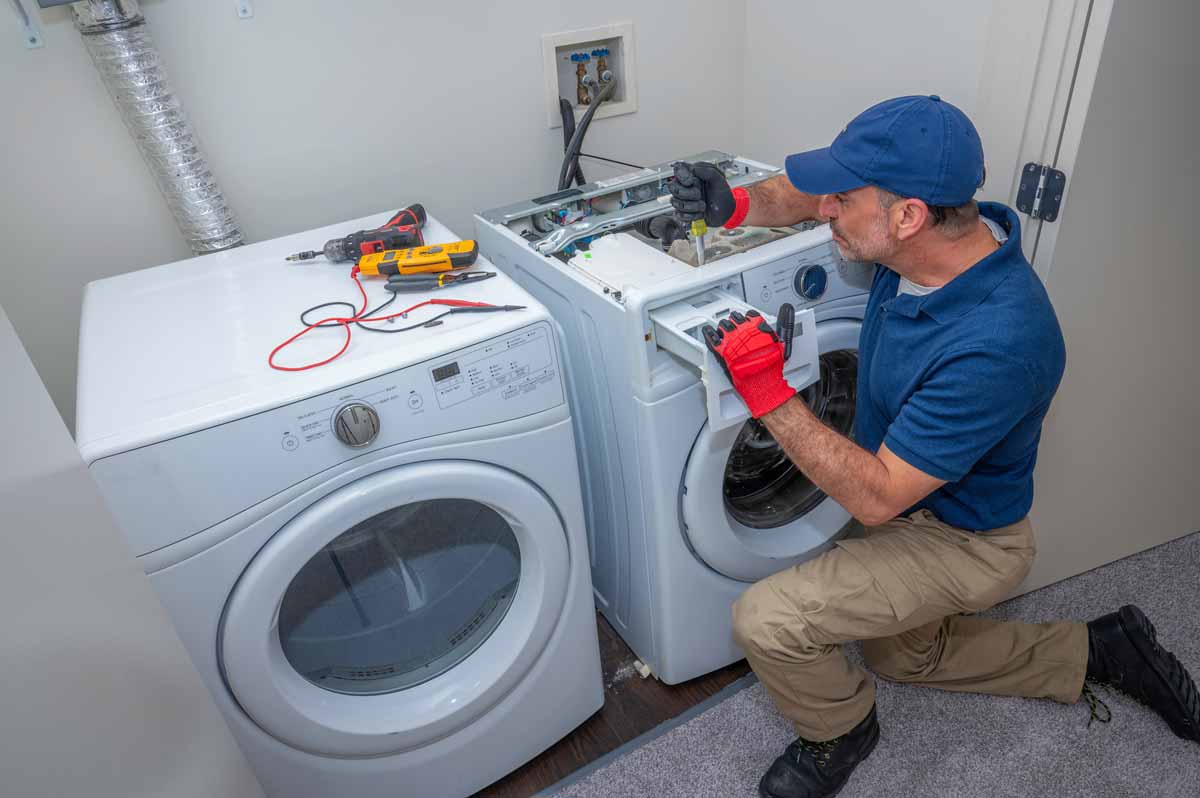
Washer Repair
Most Pleasant Plains homes keep the washer in a finished basement or a utility room off the garage, so a broken washer quickly backs up the whole household. Our technicians service single-family homes across the neighborhood, handling basement stairs and tight utility closets as a matter of routine.
We fix:
- Drain pump clogged with lint or debris in a basement laundry setup.
- Won’t spin — worn bearings, motor coupling, or a failed lid/door lock.
- Walking or banging on an uneven basement slab during the spin cycle.
- Won’t fill or drain — inlet valve, pressure switch, or drain-line fault.
- Leaks from a cracked hose or door boot pooling on the basement floor.
For the homes on the blocks nearest the shore, we also check the machine’s control board and wiring for the corrosion salt air can bring on over time — not just the obvious leak.
-
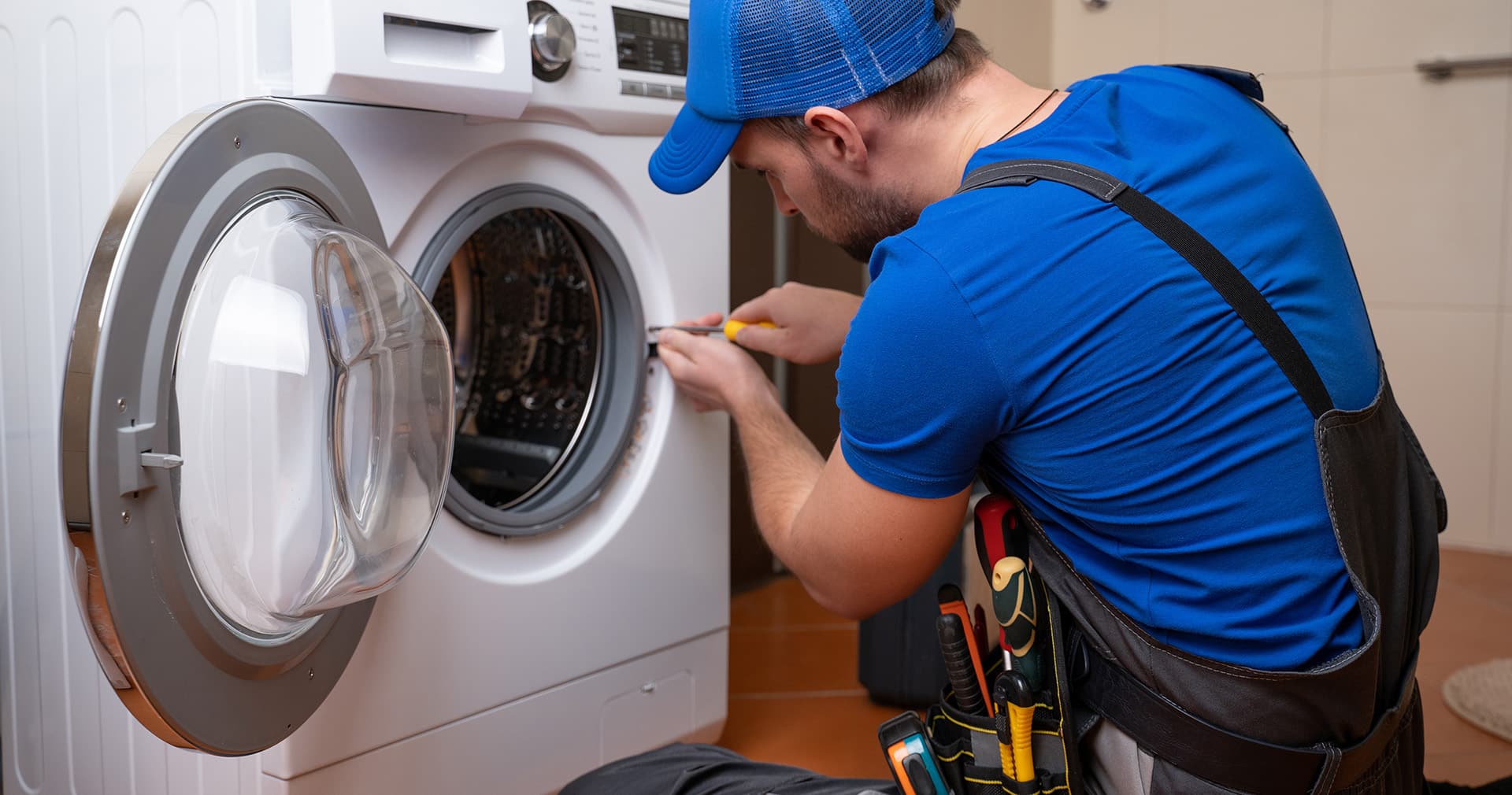
Dryer Repair
A broken dryer in Pleasant Plains often means a long vent run from a basement laundry out through a side wall — a common cause of the no-heat and long-dry complaints we see. We service gas and electric dryers in single-family homes across the neighborhood, and check the full vent path, not just the machine.
Common dryer problems we fix:
- No heat from a blown thermal fuse after a lint-restricted vent overheated.
- Long dry times from a vent run that snakes across a finished basement to an exterior wall.
- Gas dryer not igniting — igniter, flame sensor, or gas valve coil.
- Burning smell from lint packed against the heating element or duct.
- Drum not turning — belt, idler pulley, or roller wear.
On Pleasant Plains’s long basement-to-exterior vent runs we clear and test the whole duct — replacing a thermal fuse without fixing the airflow just blows the next one.
-
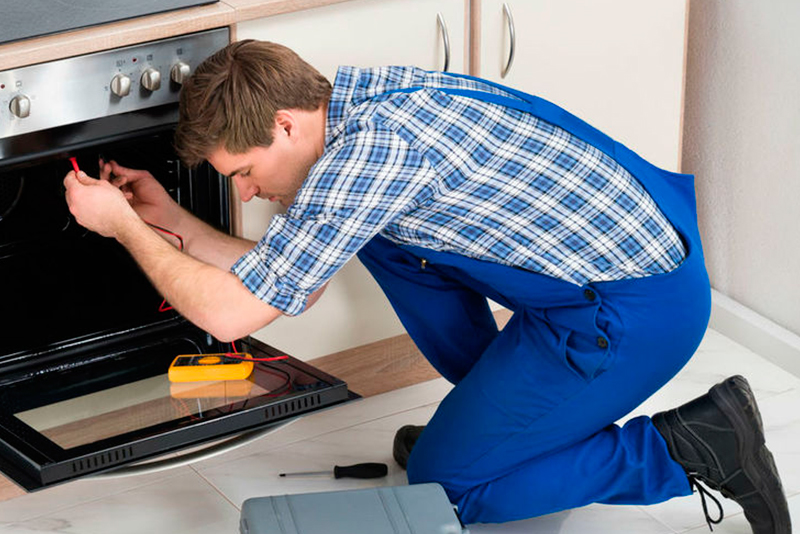
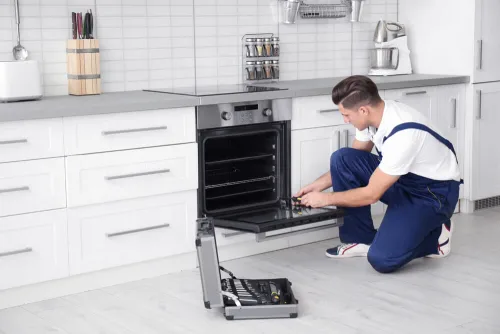
Oven Repair
A broken oven stops family meals cold, and in a household neighborhood like Pleasant Plains that’s felt fast. Our technicians service gas and electric ovens from Amboy Road to the blocks along Hylan Boulevard, with same-day availability most days.
We repair:
- Gas oven slow to heat or not igniting — weak igniter or safety valve.
- Electric oven baking off-temperature from a drifting oven sensor.
- Uneven baking from a failed bake or convection element.
- Oven door not sealing — worn hinge or gasket letting heat escape.
- Control or display faults on a newer range.
Plenty of Pleasant Plains homes run gas ranges, so we carry the common igniters, safety valves, and oven sensors these ovens need.
-
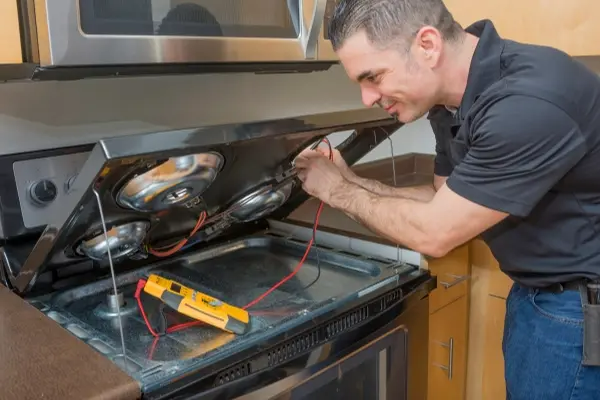
Stove Repair
A gas or electric stove that won’t light or hold a flame makes cooking impossible. We repair stoves across Pleasant Plains — from Sharrott Avenue to Bartow Avenue — with same-day service and a full warranty, handling gas igniter and safety-valve faults as well as electric elements.
Common issues include:
- Gas burner clicking but not lighting — fouled igniter or clogged port.
- Burner won’t stay lit — flame sensor or safety valve.
- Uneven or weak flame from a dirty burner cap or low pressure.
- Electric coil or radiant element not heating — element or switch.
- Cracked glass or a burnt-out surface element.
We handle both the gas side — igniters, valves, and burner alignment — and electric elements and switches, so we can fix whatever’s in your kitchen.
-
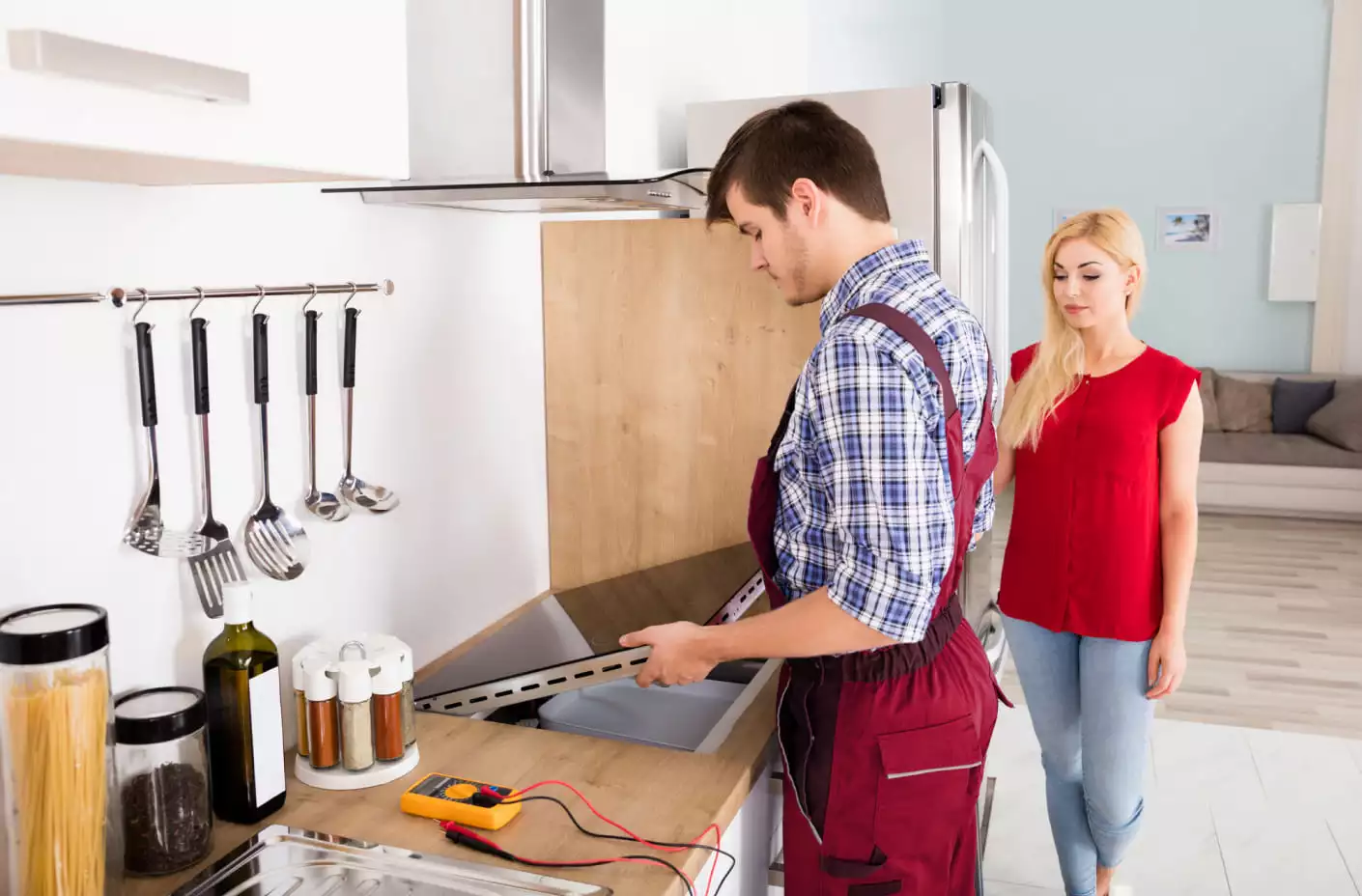
Cooktop Repair
A cooktop that won’t heat consistently — glass, induction, or gas — disrupts every meal. We repair cooktops throughout Pleasant Plains, from established kitchens near Bayview Avenue to recently renovated homes toward the water, with technicians available the same day you call.
We handle:
- Gas cooktop igniter clicking with no flame.
- Induction zone dead — power module or cooling-fan fault.
- Zone that heats then cuts out under load from overheating.
- Touch controls unresponsive on a glass or induction top.
- Cracked glass surface — assessment and options.
From older sealed-gas cooktops to the induction tops going into renovated Pleasant Plains kitchens, we test the actual zone or burner hardware before touching the control.
-
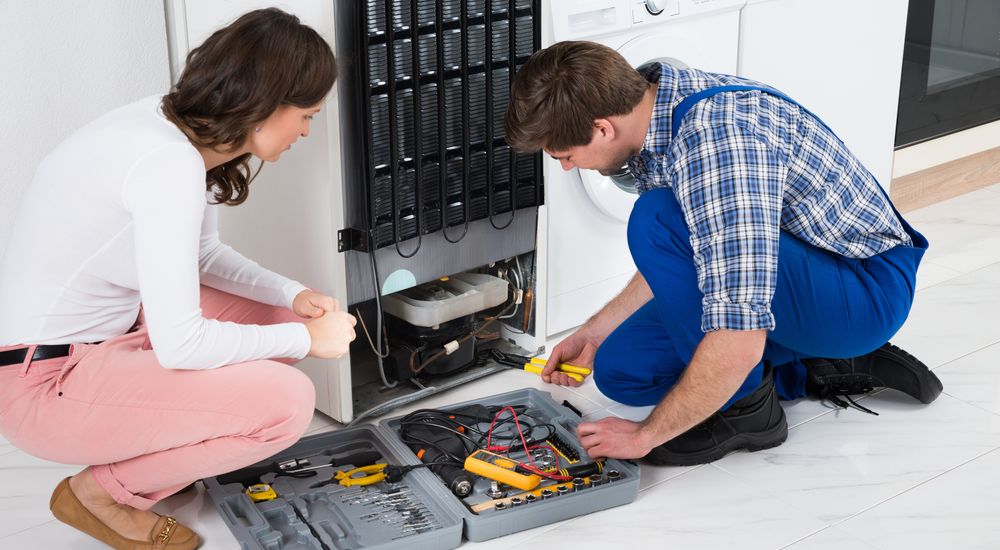
Freezer Repair
A freezer that stops holding temperature can mean hundreds of dollars in spoiled food, and many Pleasant Plains families keep a second chest or upright freezer in the basement or garage. We repair upright, chest, and combo freezers across the neighborhood with same-day service and upfront pricing.
Common problems include:
- Chest or upright freezer losing temperature in an unconditioned basement or garage.
- Frost buildup from a failed defrost heater or thermostat.
- Compressor running nonstop but not getting cold.
- Water on the floor from a clogged defrost drain.
- Worn lid or door seal letting warm air in.
Second freezers in Pleasant Plains garages and basements do a lot of work, so we test the compressor start, the defrost system, and the seals to keep the food inside safe.
Appliance Brands We Fix in Pleasant Plains






















































Technician Case Studies — Appliance Repair in Pleasant Plains

Diagnostic & Resolution: Checked the drain pump and hose — the check valve was fouled with food debris and the pump was straining. Cleared the obstruction and confirmed pump motor continuity intact. Full drainage confirmed in under 60 seconds on two consecutive test cycles. No parts replaced.
Diagnostic & Resolution: Tested the water supply and inlet valve — one valve solenoid was partially seized and flow was low. Replaced the water inlet valve assembly and confirmed a proper fill within the expected window and full cycle completion on two back-to-back loads.
Diagnostic & Resolution: Removed the sump cover — a buildup of debris and a small glass fragment blocked the drain pump impeller. Cleared the obstruction and confirmed the pump ran free; drainage completed in under 60 seconds on three test cycles. No parts replaced.
Diagnostic & Resolution: Measured the inlet thermistor resistance — reading out of range against spec, confirming an open sensor. Replaced the inlet thermistor, verified resistance back in range, and confirmed a full heat cycle completing normally at about 45 minutes.
Diagnostic & Resolution: Measured the oven temperature sensor at room temp — read 1,240Ω (spec 1,080–1,090Ω). Replaced the oven sensor and recalibrated the control; oven temperature confirmed within ±5°F at 350°F and 425°F.
Diagnostic & Resolution: Tested the evaporator fan motor — stalling intermittently from ice on the blade. Defrosted the evaporator, confirmed the defrost heater intact, and replaced the evaporator fan motor. Freezer stable at 0°F within 4 hours of the repair.
Your Local Technician in Pleasant Plains
Anthony M. is our dedicated appliance repair technician serving Pleasant Plains and the surrounding South Shore. With over 10 years of hands-on experience across all major brands and appliance types, Anthony arrives at every job equipped with the right parts and diagnostic tools to resolve most issues on the first visit. Pleasant Plains residents can count on Anthony for same-day diagnostics, straightforward estimates before any work begins, and repairs backed by our warranty of up to 90 days.
Nearby Areas We Also Serve
In addition to Pleasant Plains, we provide same-day appliance repair throughout the surrounding South Shore:
- Prince’s Bay Appliance Repair
- Richmond Valley Appliance Repair
- Tottenville Appliance Repair
- Rossville Appliance Repair
Frequently Asked Questions — Appliance Repair in Pleasant Plains
How soon can you get to my home in Pleasant Plains?
Do you service the single-family homes and basement laundry setups common in Pleasant Plains?
Which appliance brands do you repair in Pleasant Plains?
Do you service gas ranges and dryers in Pleasant Plains?
What will a repair cost in Pleasant Plains, and is the service call free?
Address
Brooklyn, NY 11238
Manhattan, Staten Island
Appliance Repair
Payment Options




Brands We Deal With
- Admiral
- AEG
- AGA
- Amana
- Ariston
- Asko
- Avantgarde
- Avanti
- Beaumark
- Blomberg
- Blue-Star
- Bosch
- Brada
- Brigade
- Bertazzoni
- Cafe
- Capital
- Cavavin
- Cove
- Dacor
- Danby
- Electrolux
- Fagor
- Fisher and Paykel
- Forno
- Frigidaire
- Fulgor
- Gaggenau
- Garland
- GE
- GE Profile
- Haier
- Hisense
- Hotpoint
- Ikea
- Insignia
- Jennair
- Kenmore
- Kitchenaid
- LG
- Liebherr
- Magic Chef
- Marathon
- Maytag
- Miele
- Moffat
- Monogram
- Panasonic
- Samsung
- Smeg
- Sub-Zero
- Sunbeam
- Thermador
- Thor
- Viking
- Whirlpool
- White Westinghouse
- Wolf

