
 Refrigerator Repair
 Dishwasher Repair
 Washer Repair
 Dryer Repair
 Oven Repair
 Stove/Cooktop Repair
 Freezer Repair
 Appliance Installation
 Samsung
 Bosch
Bosch
 Thermador
 Miele
Miele
 Sub Zero
 Bloomberg
 Asko
Asko














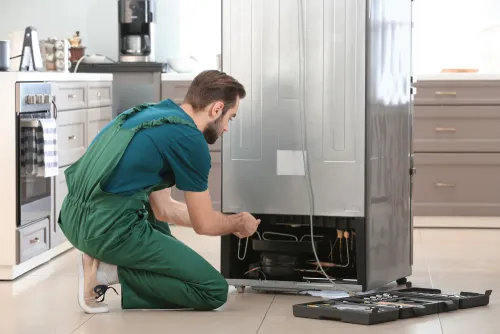
White-Westinghouse Appliance Repair Services
Your Local White-Westinghouse Appliance Repair Company
- Mechanical wash timer stalling or not advancing
- Belt-drive washer clutch and transmission wear
- Refrigerator cold-control thermostat failure
- Defrost timer / heater failure causing frost buildup
- Gas range bake igniter too weak to open the valve
- Electric range infinite switch burning out
- Dryer heating element or thermal fuse open (no heat)
- Upright/chest freezer start relay or overload trip
- Dishwasher drain solenoid or timer motor failure
- Worn door gaskets on legacy refrigerator cabinets


Article Reviewed & Technically Verified by Dmitry V., Lead EPA-Certified Technician (15+ Years Experience)
White-Westinghouse appliances are largely a legacy, electromechanical installed base — mechanical timers, cold-control thermostats, and infinite switches rather than error-code boards. That means diagnosis is done with a meter and continuity checks, not fault codes. Serving Brooklyn, we repair these durable units and source parts through the shared Frigidaire family.
Our Happy Customers





- 15+ Years Experience
- Warranty on Parts & Labour
- 100% client satisfaction
- Skilled Technicians
Our White-Westinghouse Appliance Repair Services
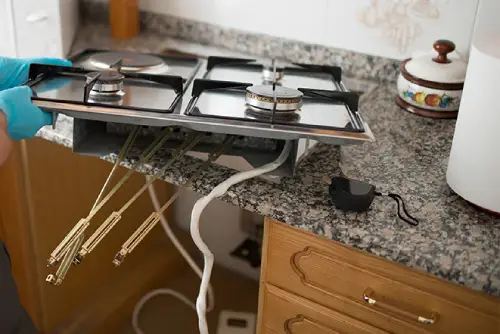
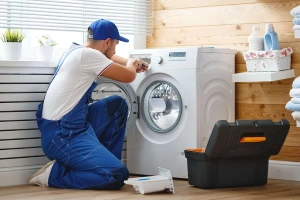
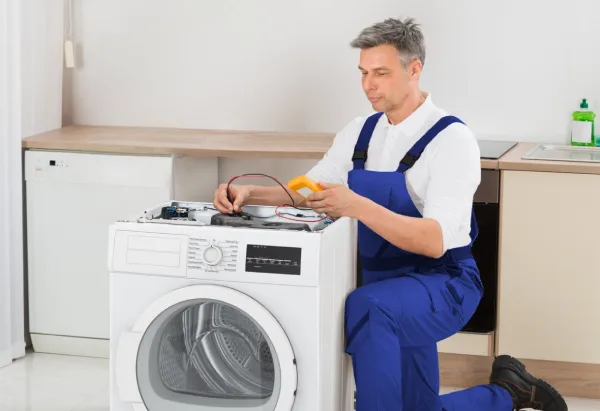
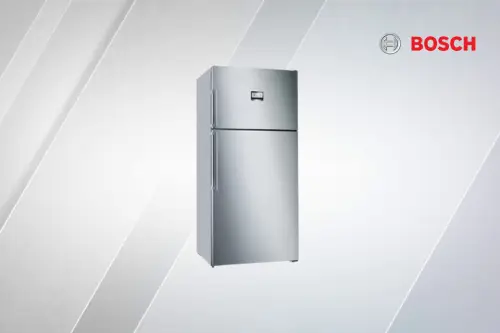
White-Westinghouse Refrigerator Repair
Most White-Westinghouse refrigerators in service today are top-mount and side-by-side units like the WWSS2601KW that run on a mechanical cold-control thermostat and an adaptive defrost timer — not a digital board. A warm fresh-food section with a cold freezer almost always points to a defrost or airflow fault, not a dead compressor.
We diagnose by pulling the defrost heater and bimetal for a continuity check, reading cold-control contact closure, and confirming evaporator fan airflow. Because the sealed system shares components with the Frigidaire family, replacement relays, timers, and gaskets are still readily available.
Common issues we fix:
- Fresh-food side warm, freezer still cold
- Heavy frost on the back evaporator panel
- Compressor runs constantly or won’t start
- Cold-control thermostat not cycling
- Water pooling under the crisper drawers
- Door gasket torn or no longer sealing
- Clicking start relay or buzzing overload
- Interior light stays on with door closed
White-Westinghouse Freezer Repair
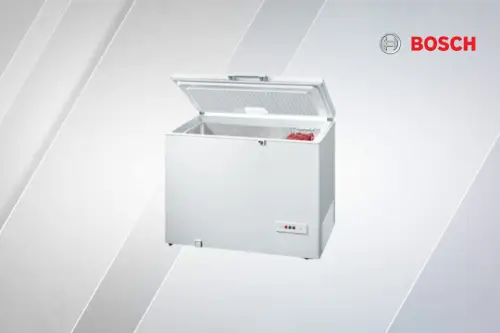
White-Westinghouse chest and upright freezers are built around a simple, durable circuit: a cold-control thermostat, a compressor with a start relay and overload, and (on frost-free uprights) a defrost timer. A unit that clicks every few minutes but never gets cold usually has a failed start relay or a shorted overload, not a bad compressor.
We test the relay and overload off the compressor terminals, check compressor winding resistance, and verify the cold-control actually closes its contacts. On frost-free models we confirm the defrost heater and terminating thermostat before condemning any sealed-system component.
Common issues we fix:
- Not freezing or slow to pull down
- Compressor clicks on and off (relay/overload)
- Heavy frost in a frost-free upright
- Runs constantly but holds poor temperature
- Warm spots from weak fan circulation
- Lid or door gasket letting warm air in
- Buzzing or humming without cooling
- Cold-control thermostat stuck
White-Westinghouse Range & Stove Repair
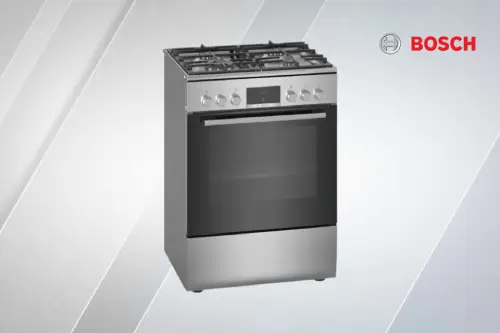
White-Westinghouse gas ranges such as the WWGF3002KW use a hot-surface (glow-bar) bake igniter wired in series with the safety valve. As the igniter ages it still glows orange but draws less current — and if it can’t pull enough amps, the valve never opens and the oven won’t heat even though the igniter looks fine.
The correct diagnosis is a clamp-on amp reading in series with the igniter: a healthy bake igniter typically draws in the 3.2–3.6A range to open the valve. On electric ranges we test surface element resistance and the infinite switch contacts rather than swapping parts by guesswork.
Common issues we fix:
- Oven won’t heat but igniter still glows
- Weak or drifting oven temperature
- Surface burner won’t light or keeps clicking
- Electric element dead on one position
- Infinite switch stuck on high
- Smell of gas at the burner (gas models)
- Bake or broil element visibly split
- Oven thermostat out of calibration
White-Westinghouse Oven Repair
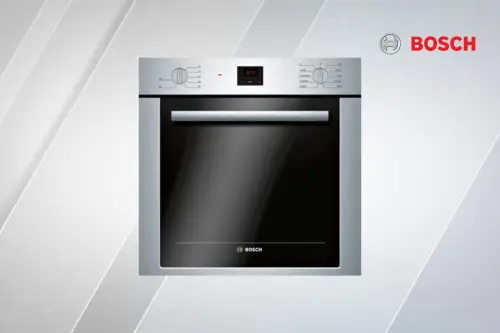
Legacy White-Westinghouse wall ovens regulate heat with a capillary-tube thermostat or, on later Frigidaire-platform units, an electronic control and an NTC sensor. An oven that overbakes or underbakes is usually a calibration or sensor problem long before it is a control failure.
We verify actual cavity temperature against the set point with a calibrated thermocouple, then measure element resistance and, on electronic units, sensor resistance to isolate the fault. That keeps us from replacing a good control board when the real issue is a drifting thermostat or a split element.
Common issues we fix:
- Oven runs too hot or too cold
- Slow preheat or never reaches set point
- Broil element not working
- Bake element split or blistered
- Thermostat out of calibration
- Oven shuts off mid-bake
- Door not sealing, heat escaping
- Self-clean latch stuck (where equipped)
White-Westinghouse Cooktop Repair
White-Westinghouse electric cooktops use coil or radiant elements controlled by infinite switches — simple, rugged hardware with no electronics to fault. When one position won’t heat or stays locked on high, the switch or the element terminal block is nearly always the culprit.
We isolate the fault by reading element resistance at the terminal block and checking the infinite switch for proper contact cycling. Gas cooktop models are diagnosed at the igniter and burner orifice, confirming spark and gas flow before any part is replaced.
Common issues we fix:
- One element won’t heat
- Element stuck on full heat
- Burnt or corroded terminal block
- Infinite switch not cycling
- Gas burner won’t spark (gas models)
- Uneven or weak heat output
- Cracked or pitted radiant glass (assessment)
- Loose or damaged control knob
White-Westinghouse Washer Repair
Classic White-Westinghouse top-load washers are belt-drive machines with a mechanical timer, a transmission, and a clutch — the same rugged platform shared with older Frigidaire units. A washer that fills and agitates but won’t spin usually has a worn clutch, a stretched drive belt, or a seized transmission, not a control fault.
We diagnose by checking belt tension and glaze, spinning the transmission by hand for drag, and advancing the mechanical timer through each contact to confirm it is switching power to the motor and solenoids. Timers and clutch kits for these machines are still stocked through the Frigidaire family.
Common issues we fix:
- Won’t spin or drains slowly
- Fills and agitates but no spin
- Timer stalls or won’t advance
- Loud grinding from the transmission
- Water leaking at pump or hose
- Won’t fill or overfills
- Excessive shaking during spin
- Motor hums but drum won’t turn
White-Westinghouse Dryer Repair
White-Westinghouse dryers like the SER341AQ2 use a heating element (electric) or gas valve controlled through a thermal fuse, a cycling thermostat, and a high-limit thermostat. When an electric dryer tumbles but produces no heat, the failure is almost always an open element, a blown thermal fuse, or a tripped high-limit — each easily confirmed with a continuity test.
We check the element and every thermostat in the heat circuit for continuity, then verify airflow through the vent, because a restricted duct is what overheats and opens the thermal fuse in the first place. Fixing the blockage prevents the same fuse from failing again after the repair.
Common issues we fix:
- Tumbles but no heat
- Takes far too long to dry
- Heats then shuts off early
- Thermal fuse repeatedly blowing
- Loud thump from drum rollers or belt
- Drum won’t turn (belt or motor)
- Burning or musty smell
- Won’t start or stops mid-cycle
White-Westinghouse Dishwasher Repair
Older White-Westinghouse dishwashers run on a rotary timer motor that steps the machine through fill, wash, drain, and dry — with a drain solenoid, a water-inlet valve, and a heating element doing the work. Standing water at the end of a cycle usually means a stuck drain solenoid, a jammed timer, or a blocked drain path rather than a pump motor failure.
We advance the timer manually to confirm each contact switches, test the drain solenoid and inlet valve coils for resistance, and clear the sump and check valve of debris. On later Frigidaire-platform models we also read the heating element and float switch before recommending parts.
Common issues we fix:
- Standing water / won’t drain
- Timer stuck on one part of the cycle
- Won’t fill or overfills
- Dishes come out cold or wet
- Leaks at the door or pump seal
- Detergent cup not releasing
- No wash action from the spray arm
- Drain solenoid buzzing but not opening
How We Diagnose White-Westinghouse Problems
Most White-Westinghouse units are electromechanical and do not display error codes — there is no fault-code screen to read. Instead we diagnose by symptom, using continuity, resistance, and airflow tests against the mechanical timers, thermostats, and switches these machines rely on. Newer Frigidaire-platform units can occasionally show Frigidaire-style faults, but the legacy models below are diagnosed the honest way: with a meter. Component specifications are cross-checked against the official Electrolux/Frigidaire White-Westinghouse model documentation.
Refrigerator & Freezer Diagnosis
| Symptom | How we diagnose / likely cause |
|---|---|
| Fridge warm, freezer cold | Continuity-test defrost heater and bimetal; check evaporator fan airflow |
| Compressor clicks, no cooling | Test start relay and overload off compressor terminals; check winding resistance |
| Nothing runs at all | Verify cold-control thermostat contacts close on demand for cooling |
| Heavy frost, frost-free unit | Check defrost timer advance and terminating thermostat continuity |
Range, Oven & Cooktop Diagnosis
| Symptom | How we diagnose / likely cause |
|---|---|
| Oven won’t heat, igniter glows | Amp-clamp the bake igniter in series; weak draw won’t open the gas valve |
| Electric element dead | Read element resistance and infinite-switch contacts at the terminal |
| Element stuck on high | Infinite switch failed closed — confirm no cycling, replace switch |
| Oven over/underbakes | Compare cavity temp to set point with thermocouple; recalibrate thermostat |
Washer, Dryer & Dishwasher Diagnosis
| Symptom | How we diagnose / likely cause |
|---|---|
| Washer won’t spin | Check drive belt tension/glaze and clutch wear; spin transmission by hand |
| Cycle timer stalls | Advance mechanical timer through each contact; test timer motor continuity |
| Dryer tumbles, no heat | Continuity-test element, thermal fuse and high-limit; verify vent airflow |
| Dishwasher won’t drain | Test drain solenoid coil resistance; clear sump and check timer advance |
These are the failures we see most on White-Westinghouse equipment, but the platform is broad. Because White-Westinghouse now sits inside the Frigidaire/Electrolux family, many parts overlap with our Frigidaire appliance repair work, which keeps components available even for older units. Call with your symptom and model number and we’ll confirm the likely cause before we arrive.
Technician Case Studies — White-Westinghouse Repairs

Diagnostic & Resolution: Continuity-tested the defrost heater — open circuit. Confirmed the defrost bimetal closed correctly at temperature. Replaced the defrost heater, cleared the ice sheet from the evaporator, and verified airflow to the fresh-food section returned within one cooling cycle.
Diagnostic & Resolution: Checked the heat circuit for continuity — thermal fuse open, heating element intact. Traced the cause to a lint-restricted vent that had overheated the housing. Replaced the thermal fuse, cleared the duct, and confirmed strong exhaust airflow so the fuse would not fail again.
Diagnostic & Resolution: Placed an amp clamp in series with the bake igniter — measured 2.7A, below the ~3.2–3.6A needed to open the safety valve. Replaced the weak hot-surface igniter; the valve opened normally and the oven reached 350°F on the first test bake.
Diagnostic & Resolution: Found the drive belt glazed and stretched, slipping on the transmission pulley during spin. Verified the transmission turned freely by hand with no internal drag. Replaced the drive belt and clutch lining, then confirmed a full high-speed spin and complete water extraction.
Diagnostic & Resolution: Tested the start relay and overload off the compressor terminals — relay contacts not closing, so the start winding never energized. Confirmed compressor winding resistance was within spec. Replaced the start relay and overload; the compressor started and pulled temperature down normally.
Diagnostic & Resolution: Advanced the rotary timer manually to the drain step and confirmed the timer switched power correctly. Tested the drain solenoid coil — open winding, so the drain valve never opened. Replaced the drain solenoid, cleared debris from the sump, and confirmed a full drain on two back-to-back cycles.
Frequently Asked Questions — White-Westinghouse Appliance Repair
Why doesn’t my White-Westinghouse appliance show an error code?
Are parts still available for older White-Westinghouse appliances?
Is White-Westinghouse still sold in the United States?
Which White-Westinghouse appliances do you repair?
How much does White-Westinghouse appliance repair cost?
Address
Brooklyn, NY 11238
Manhattan, Staten Island
Appliance Repair
Payment Options