 Refrigerator Repair
 Dishwasher Repair
 Washer Repair
 Dryer Repair
 Oven Repair
 Stove/Cooktop Repair
 Freezer Repair
 Appliance Installation
 Samsung
 Bosch
Bosch
 Thermador
 Miele
Miele
 Sub Zero
 Bloomberg
 Asko
Asko














Why Is My Refrigerator Not Cooling? Common Causes and When to Call for Repair
A refrigerator that is not cooling properly can quickly become a serious household problem. Food can spoil, drinks may not stay cold, and a small issue can sometimes develop into a more expensive repair if it is ignored.
Fortunately, a refrigerator that is warm inside does not always mean that the entire appliance needs to be replaced. Problems with airflow, temperature controls, condenser components, door seals, fans, or the cooling system can all affect refrigerator performance.
Understanding the most common causes can help you recognize the problem and determine when professional refrigerator repair is necessary.
Table of Contents
- Check the Refrigerator Temperature Settings
- A Blocked Airflow Can Cause Cooling Problems
- Dirty Condenser Coils
- Problems With the Evaporator Fan
- A Faulty Door Seal Can Let Cold Air Escape
- Frost or Ice Buildup Inside the Freezer
- The Refrigerator Runs Constantly
- Strange Refrigerator Noises
- When Should You Call for Refrigerator Repair?
- Repair or Replace the Refrigerator?
- Final Thoughts
Check the Refrigerator Temperature Settings
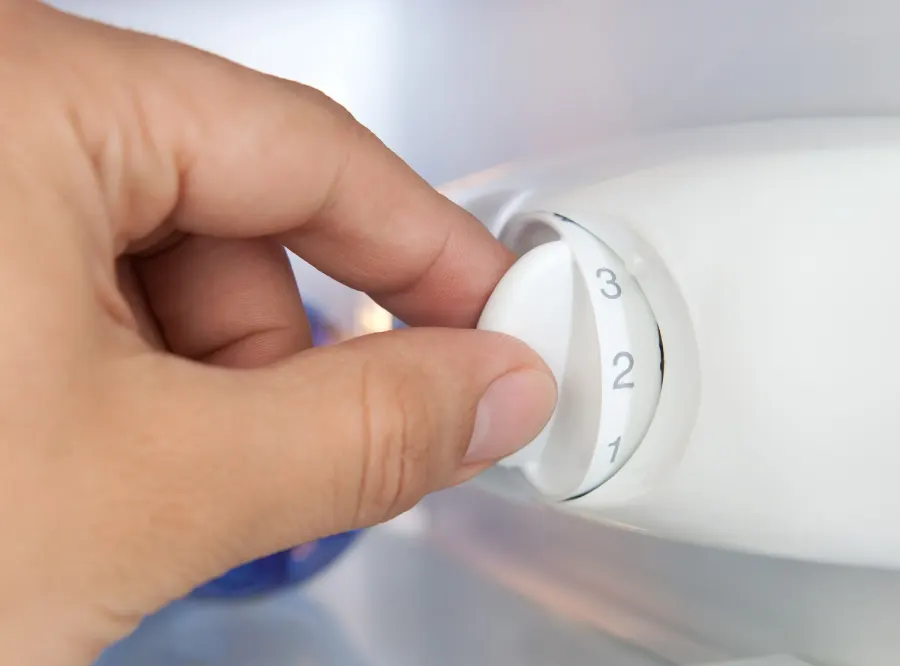
One of the simplest reasons a refrigerator may not seem cold enough is an incorrect temperature setting. The control may have been changed accidentally, or the refrigerator may have been set warmer than recommended.
Before assuming there is a mechanical problem, check the temperature control and make sure the refrigerator has enough time to reach the selected temperature.
If the setting is correct but the refrigerator continues to warm up, there may be another issue affecting the cooling system.
A Blocked Airflow Can Cause Cooling Problems
Refrigerators need proper airflow to distribute cold air throughout the cabinet. When food containers are packed too tightly or air vents are blocked, cold air may not circulate correctly.
This can result in some areas of the refrigerator being warmer than others. The freezer may still appear to work normally while the refrigerator compartment is not cooling properly.
Keeping vents clear and avoiding overloading the refrigerator can help maintain consistent airflow.
Dirty Condenser Coils
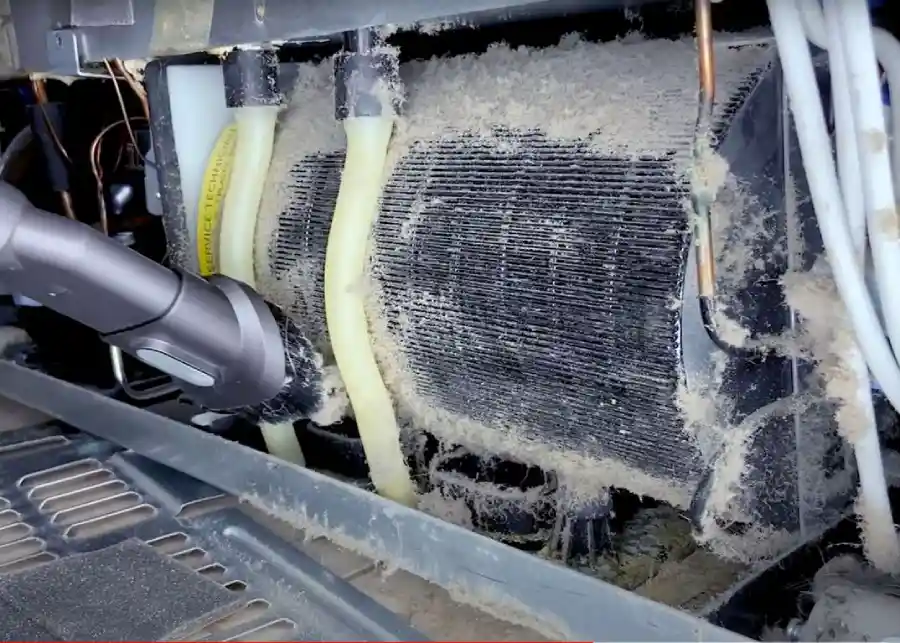
Condenser coils play an important role in releasing heat from the refrigerator. When they become covered with dust, dirt, or pet hair, the appliance may have difficulty getting rid of heat efficiently.
A refrigerator with dirty condenser coils may run for long periods without reaching the proper temperature. In some cases, it may also become noticeably warmer around the exterior.
Regular cleaning can help maintain proper airflow around the condenser area, although the exact location of the coils varies by refrigerator model.
Problems With the Evaporator Fan
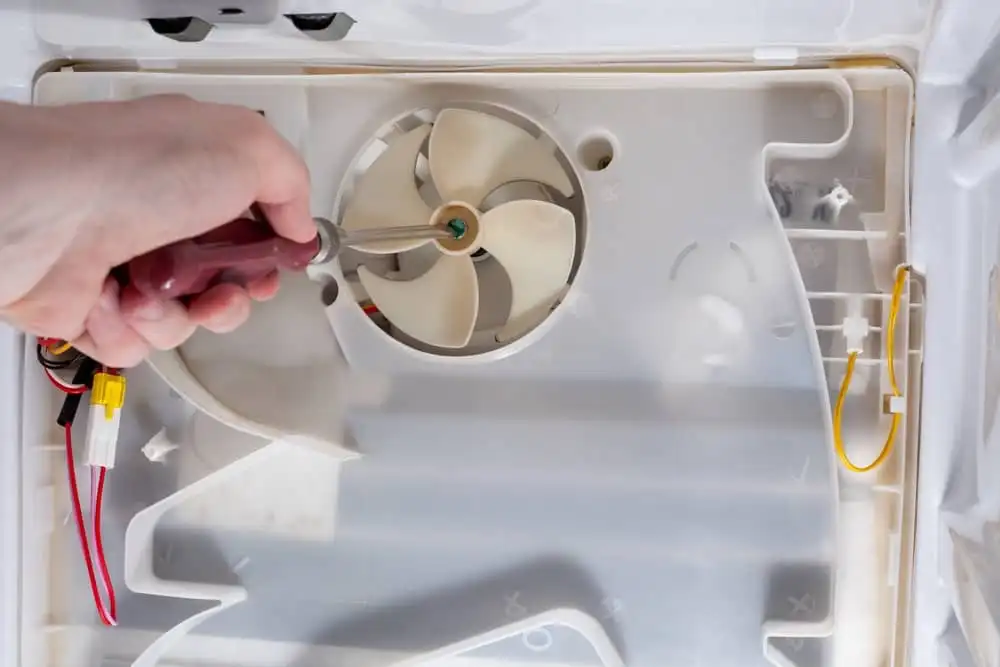
The evaporator fan circulates cold air inside the refrigerator. If the fan is not operating correctly, cold air may not move properly from the cooling system into the refrigerator compartment.
A faulty fan can sometimes produce unusual noises, reduced airflow, or inconsistent temperatures.
Because accessing and testing the fan may require disassembly, this type of refrigerator problem is generally better handled by a qualified appliance technician.
A Faulty Door Seal Can Let Cold Air Escape
The refrigerator door gasket creates a seal around the door and helps keep cold air inside. If the gasket is cracked, loose, damaged, or no longer sealing correctly, warm air can enter the refrigerator continuously.
A damaged door seal can also make the refrigerator work harder to maintain its temperature.
Inspect the gasket around the entire door. If you notice visible damage or areas where the seal does not make proper contact with the cabinet, the gasket may need to be replaced.
Frost or Ice Buildup Inside the Freezer
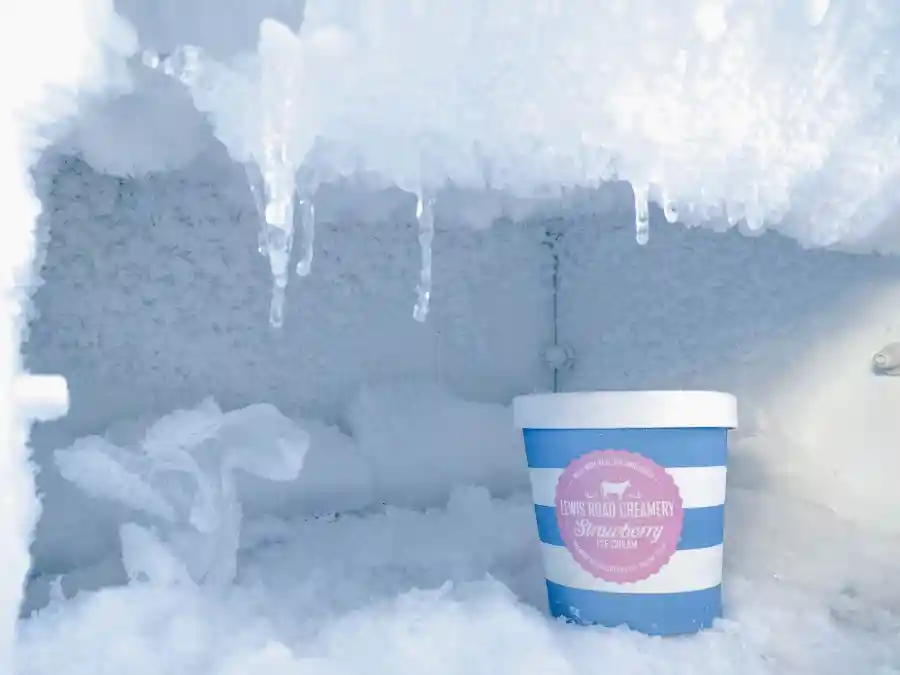
Excessive frost or ice buildup can interfere with normal airflow and cooling. This is particularly important when the freezer appears cold but the refrigerator compartment is becoming warm.
A problem with the defrost system can allow ice to accumulate around the evaporator area, restricting airflow through the appliance.
Defrost-related problems can involve several components, including the defrost heater, thermostat, sensor, or control system. Diagnosing the exact cause usually requires professional testing.
The Refrigerator Runs Constantly
A refrigerator that seems to run almost all the time may be struggling to maintain the correct temperature.
Continuous operation can be caused by several factors, including dirty condenser coils, poor door sealing, excessive frost, high room temperatures, or a problem with one of the refrigerator's cooling components.
Simply unplugging and restarting the appliance may not solve the underlying problem. If the refrigerator continues running excessively after basic checks, a professional inspection can help identify the cause.
Strange Refrigerator Noises
Some refrigerator sounds are completely normal. Fans, compressors, ice makers, and refrigerant flow can all produce sounds during normal operation.
However, a new or unusually loud noise can indicate a developing problem.
Grinding, rattling, buzzing, clicking, or repeated starting and stopping may point to an issue with a fan, compressor, electrical component, or another part of the appliance.
Pay attention to when the noise occurs and whether it is accompanied by poor cooling. This information can help a technician diagnose the problem more efficiently.
When Should You Call for Refrigerator Repair?
Some basic checks can be performed at home, but certain refrigerator problems require professional attention.
You should consider scheduling refrigerator repair if:
- The refrigerator remains warm despite correct temperature settings.
- The freezer is cold but the refrigerator compartment is warm.
- The appliance runs continuously.
- There is excessive frost or ice buildup.
- The refrigerator makes unusual or increasingly loud noises.
- The door gasket is damaged but the appliance still has cooling problems.
- Water is leaking inside or underneath the refrigerator.
- The refrigerator repeatedly stops and starts.
- Food is spoiling even though the refrigerator appears to be operating normally.
A technician can test the refrigerator's components and determine whether the problem can be repaired.
Repair or Replace the Refrigerator?
A refrigerator that is not cooling does not automatically need to be replaced.
If the appliance is otherwise in good condition and the problem is caused by a replaceable component, repairing it can be a practical way to extend its service life.
Replacement may make more sense when the refrigerator is significantly older, has experienced multiple major failures, or requires a repair that is disproportionately expensive compared with the cost of a new appliance.
The best decision depends on the refrigerator's age, condition, repair history, and the specific problem that has been diagnosed.
Final Thoughts
When a refrigerator stops cooling properly, acting quickly can help prevent food loss and potentially reduce the risk of a more serious appliance problem.
Start with simple checks such as the temperature setting, airflow, door seal, and visible frost buildup. If the refrigerator continues to perform poorly, professional diagnosis can determine what is actually causing the problem.
In many cases, refrigerator repair can restore proper cooling without replacing the entire appliance. Getting an accurate diagnosis before purchasing a new refrigerator can help you make a more informed and cost-effective decision.




Address
Brooklyn, NY 11238
Manhattan, Staten Island
Appliance Repair
Payment Options